
Explore Efficient Integrated Manufacturing Services

In today’s fast-paced industrial landscape, efficiency and innovation are not just goals but necessities. We find ourselves at a pivotal moment where manufacturing companies and construction equipment traders must embrace smarter, more cohesive approaches to stay competitive and thrive. Integrated manufacturing services offer a transformative pathway, combining multiple processes and expertise under one roof to streamline production, reduce costs, and enhance quality. Together, we can explore how these services revolutionize manufacturing workflows and empower businesses to reach new heights.
Unlocking the Power of Integrated Manufacturing Services
Integrated manufacturing services represent a holistic approach to production management. Instead of handling each stage of manufacturing separately, these services unify design, engineering, fabrication, assembly, and quality control into a seamless process. This integration eliminates redundancies, accelerates timelines, and fosters better communication across teams.
For example, imagine a construction equipment manufacturer who traditionally outsources component fabrication, assembly, and testing to different vendors. This fragmented approach often leads to delays, miscommunication, and inconsistent quality. By adopting integrated manufacturing services, the company can consolidate these functions with a single trusted partner, ensuring smoother coordination and faster turnaround.
Some key benefits we observe with integrated manufacturing services include:
Reduced lead times through synchronized workflows
Lower operational costs by minimizing waste and redundancies
Improved product quality via consistent standards and real-time monitoring
Greater flexibility to adapt to design changes or market demands
Enhanced innovation by fostering collaboration among multidisciplinary teams
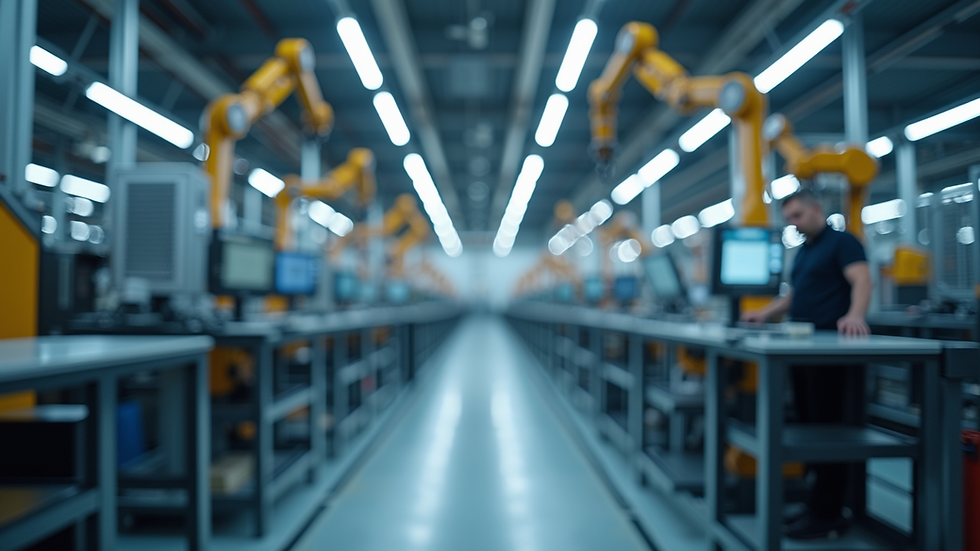
By leveraging these advantages, businesses can not only optimize their current operations but also position themselves for sustainable growth in an increasingly competitive market.
What is IMS in Manufacturing?
IMS, or Integrated Manufacturing Services, is a comprehensive framework that combines various manufacturing activities into a unified system. It encompasses everything from initial product design and prototyping to final assembly and delivery. The goal is to create a streamlined, end-to-end process that maximizes efficiency and quality.
At its core, IMS breaks down traditional silos between departments and external suppliers. Instead, it promotes collaboration and transparency, allowing teams to work in harmony. This approach is especially valuable in complex manufacturing environments where multiple components and processes must align perfectly.
For instance, in the production of heavy construction equipment, IMS ensures that the design engineers, fabricators, and quality inspectors are all connected through shared data and workflows. This connectivity helps identify potential issues early, reducing costly rework and delays.
Key components of IMS include:
Design and Engineering Integration - Using advanced CAD and simulation tools to refine products before production.
Supply Chain Coordination - Managing materials and components efficiently to avoid bottlenecks.
Manufacturing Execution Systems (MES) - Real-time tracking of production status and quality metrics.
Quality Assurance and Testing - Continuous monitoring to maintain high standards.
Logistics and Delivery - Ensuring timely shipment and installation of finished products.
By embracing IMS, companies gain a competitive edge through faster innovation cycles and superior product reliability.
How Integrated Manufacturing Services Drive Innovation and Quality
Innovation and quality are the twin pillars of successful manufacturing. Integrated manufacturing services empower us to excel in both areas by fostering a culture of continuous improvement and collaboration.
When design, engineering, and production teams work closely together, ideas flow more freely. We can rapidly prototype new concepts, test them rigorously, and refine them based on real-world feedback. This iterative process accelerates innovation and reduces the risk of costly mistakes.
Moreover, integrated services enable us to implement advanced quality control techniques such as:
Statistical Process Control (SPC) to monitor production consistency
Automated inspection systems using cameras and sensors
Predictive maintenance to prevent equipment failures before they occur
These tools help maintain the highest standards throughout the manufacturing cycle. For example, a manufacturer of construction machinery can detect deviations in component dimensions early and adjust processes immediately, ensuring every product meets exact specifications.
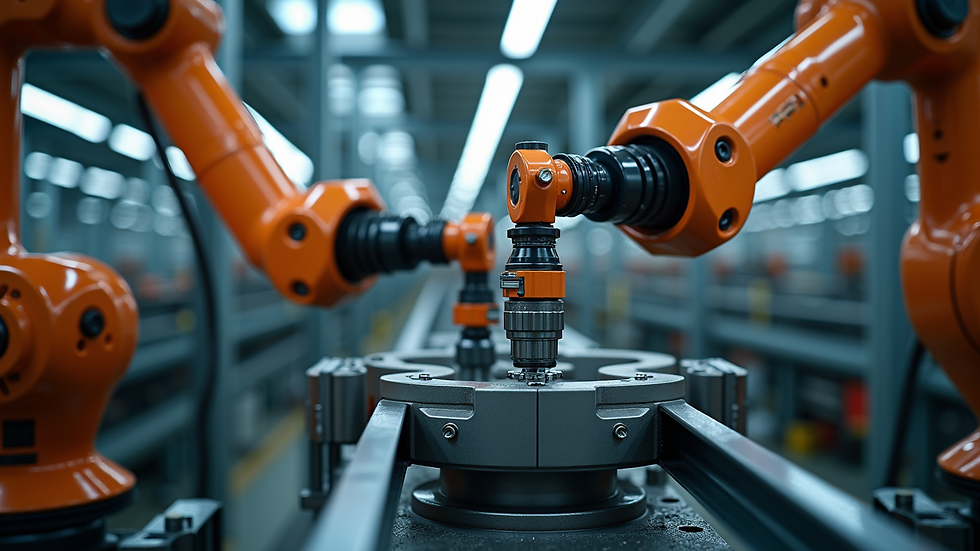
By combining cutting-edge technology with integrated workflows, we create products that not only meet but exceed customer expectations.
Practical Steps to Implement Integrated Manufacturing Services
Transitioning to integrated manufacturing services may seem daunting, but with a clear roadmap, it becomes an achievable and rewarding journey. Here are practical steps we recommend for companies ready to embrace this transformation:
Assess Current Processes
Begin by mapping out your existing manufacturing workflows. Identify bottlenecks, redundancies, and communication gaps. This baseline will guide your integration efforts.
Choose the Right Partner
Collaborate with a service provider experienced in integrated manufacturing solutions. A partner like Altezza Engineers LLP can offer tailored engineering expertise and advanced technologies to support your goals.
Invest in Technology
Implement software platforms such as MES, ERP, and CAD tools that facilitate data sharing and real-time monitoring across departments.
Train Your Workforce
Equip your teams with the skills needed to operate integrated systems effectively. Encourage cross-functional collaboration and continuous learning.
Pilot and Scale
Start with a pilot project to test integrated workflows on a smaller scale. Analyze results, refine processes, and gradually expand integration across your operations.
Monitor and Improve
Use key performance indicators (KPIs) to track efficiency, quality, and cost savings. Continuously seek feedback and innovate to stay ahead.
By following these steps, we can unlock the full potential of integrated manufacturing services and drive meaningful improvements in productivity and product excellence.
Embracing the Future with Integrated Manufacturing Services
As we look ahead, the manufacturing sector is poised for remarkable advancements powered by integration and innovation. The convergence of digital technologies, automation, and collaborative workflows will redefine how products are designed, built, and delivered.
By adopting integrated manufacturing solutions, we position ourselves at the forefront of this evolution. We gain the agility to respond swiftly to market changes, the precision to meet stringent quality demands, and the creativity to pioneer new products that shape the future.
At Altezza Engineers LLP, we are committed to being your trusted partner on this journey. Together, we can harness the power of integrated manufacturing services to elevate your production processes, reduce costs, and create a better world through engineering excellence.
Let us embrace this exciting future with confidence and enthusiasm, knowing that integrated manufacturing services are not just a strategy but a catalyst for lasting success.


Comments